Rumour: Garmin Fenix 8 Pro MicroLED- What's the Big Deal?
- 21. mai 2025
- 4 min lesing
There's a lot of buzz in the tech world about Garmin's next big thing: the Fenix 8 Pro. Word on the street is that it's going to have a MicroLED display and LTE. So, what does that actually mean for us?
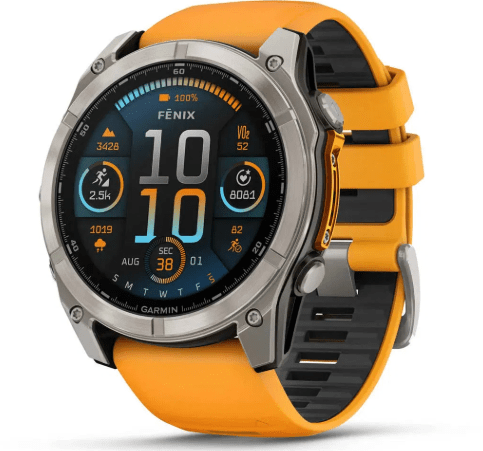
MicroLED Technology:
Why It's a Step Up from OLED and MIP Screens
MicroLED is a pretty big leap forward from the screens we're used to, like OLED and MIP (Memory-in-Pixel). Rumor has it the Fenix 8 Pro with MicroLED could be super bright – we're talking up to 4,000 nits! That's brighter than the Apple Watch Ultra 2 (which has 3,000 nits) and means you'll be able to see the screen clearly even in direct sunlight. That's a huge plus for anyone who loves being outdoors.
On top of being super bright, MicroLED is also expected to use a lot less power than OLED. This could mean longer battery life, even with that brighter screen. Another cool thing is that MicroLED screens don't have the "burn-in" problem that OLED screens can get (where an image gets permanently stuck on the screen). That's because each tiny pixel is its own little light, and they're not made of organic stuff that wears out. This makes the screen more durable in the long run, especially if you often have the same things showing on your watch face, like the time or your fitness goals.
What About Screen Quality?
Sources in the know suggest the Fenix 8 Pro's MicroLED screen will have a pixel density of 338 ppi (pixels per inch). In simple terms, that means the picture will be really sharp and clear. We've seen some cool demos of MicroLED (like Samsung's at CES) where they can even be see-through – up to 60% transparent! This could lead to some futuristic stuff like see-through displays in AR glasses or car dashboards. But for now, it looks like the Fenix 8 Pro will stick with a regular (but much improved!) screen.
Making It Happen: Production Challenges and Costs
The Price of Cool New Tech: It's Not Always Easy (or Cheap!)
Getting these MicroLED screens made is a bit tricky. An inside source at Garmin supposedly said that only about 1 out of every 10 MicroLED screens they make actually passes quality control! That means a lot of screens get tossed, which drives up the cost. It's estimated that a single MicroLED screen for a smartwatch could cost around $100. That's a lot more than the $10-$30 for a normal AMOLED screen. So, yeah, the Fenix 8 Pro with MicroLED will probably be at least $200 more expensive than the regular Fenix 8 models. For that price, the battery life really needs to be amazing to make it worth it for many people.
Getting the Parts and Ramping Up Production
To get their hands on these MicroLED parts, Garmin has reportedly teamed up with some big names in the industry, like AU Optronics (AUO) and Vuzix. AUO has even changed one of its factories in Taiwan just to make MicroLEDs, and they expect to start shipping them for high-end smartwatches in 2025. Still, most experts think that because these screens are so hard and expensive to make right now, we'll mostly see MicroLED in super-premium gadgets at first. This makes sense for Garmin, since they're already known for their fancy, high-performance watches. It seems they're in a good spot to be one of the first to use this tech, especially while bigger companies like Apple and Samsung are still figuring out how to make MicroLEDs on a massive scale.
What Else Can We Expect? Features and Design
Better Battery Life? Yes, Please!
One of the most exciting things about the Fenix 8 Pro MicroLED is the potential for awesome battery life. Because MicroLEDs are so power-efficient, the watch might last up to 29 days in smartwatch mode! That would be a big step up from the Fenix 7 series, which gets around 22 days with its MIP display. It's still not quite at the Enduro 3 level, but looking ahead, once new battery tech like silicone carbon batteries becomes common, maybe an Enduro 4 could last 70-90 days in smartwatch mode, or even forever with enough solar charging!
The First Garmin with LTE Since the Forerunner 945?
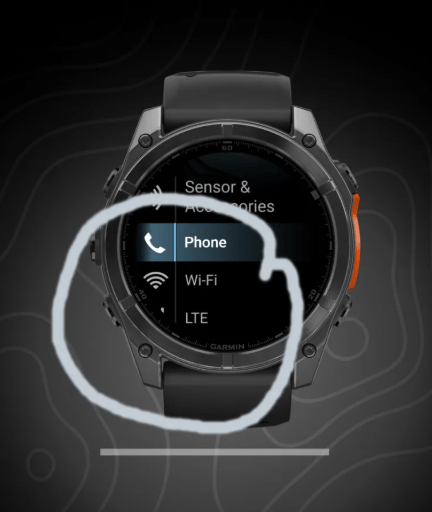
While the new screen is the main attraction, some people have wondered if MicroLED screens are as tough as the trusty MIP ones. Garmin will likely use their usual top-notch materials like sapphire glass and titanium frames to make sure it's durable, just like they do with their high-end MARQ series. Also, some hints from the Garmin Connect app suggest the Fenix 8 Pro might come with built-in LTE. This would let you send messages, share data, and use emergency features without needing your phone nearby – a big step towards a truly independent smartwatch!
Release Date
Based on what we're hearing about production and other leaks, it looks like the Garmin Fenix 8 Pro MicroLED will probably hit the market in the fall of 2025. This fits with Garmin's usual schedule of releasing a new main Fenix generation every 18 to 24 months.


Kommentarer